Plastic and Glass Recycling Industry

Plastics ERP
Plastic and glass recyclers handle some of the most operationally intense and environmentally critical processes in the circular economy. Whether you're grinding PET into flakes or sorting colored glass for cullet, you need traceability, quality control, and profitability—all in one place.
Loop ERP eliminates manual tracking and disconnected systems, replacing them with a purpose-built ERP that centralizes material flow, QA, compliance, and financials.
ERP software for plastic and glass recyclers is a system that manages material intake, batch tracking through sorting and grinding, quality testing, inventory by resin stream or cullet grade, pricing, and buyer settlement inside one platform. Plastic and glass recycling runs on tight margins, volatile commodity prices, and quality specifications — melt flow index, contamination thresholds, color separation — that vary by buyer and contract.
Standard ERP systems can't track a load through multiple processing stages while enforcing QA gates and adjusting pricing to market. A purpose-built solution connects MRF operations and finance so every batch is traceable and every settlement reflects actual material quality.
The Only All-in-One System You Need
Loop ERP supports your complete process—from incoming scrap, sorting, cleaning, and grinding to outbound shipments and ESG reporting.
Oracle NetSuite-powered finance and CRM built-in
Replaces spreadsheets and third-party bolt-ons with unified workflows
Real-time visibility for yard operators, QA teams, and finance
Built for Plastic & Glass Recyclers, by Industry Experts
Loop ERP was designed to handle color sortation, melt flow tracking, glass crushing, plastic washing lines, and batch regrading—all from one platform.


AI-Driven Insights & Automation
Real-Time Dashboards
Empower

Inventory & Regrading

Finance & Settlements

Dispatch & Driver Management
Whether you're regrinding bottles or crushing jars, Loop ERP delivers the traceability, QA, and profitability needed to succeed in plastic and glass recycling.
Ready to modernize your materials recovery?
Key Features & Benefits
✅ All-in-One Platform
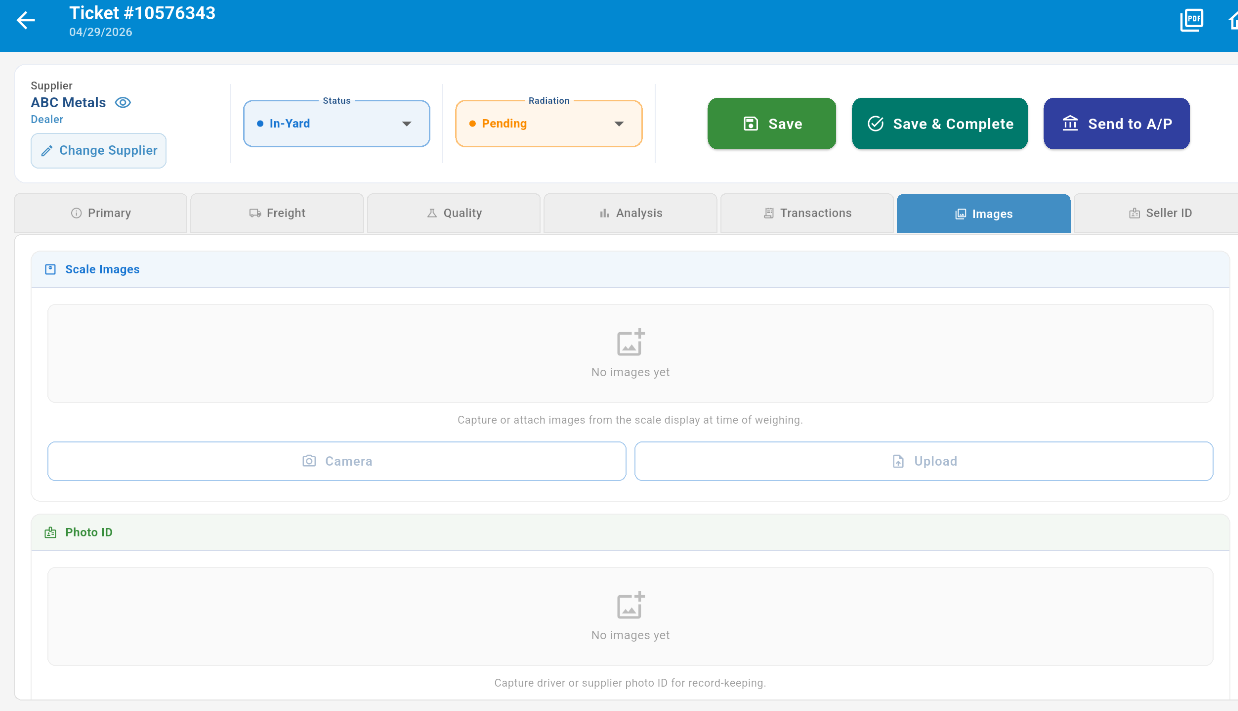
⚖️ Scale & Camera Integration
🧠 AI Assistance
💵 Built-in Finance
📊 Role-Based Dashboards
♻️ Material-Specific Workflows
📱 Mobile Applications
🔄 Track & Trace
✅ Quality Control
🔗 Netting
💲 Flexible Pricing Module
Integrated materials, QA, finance, and logistics
Load visibility with image and weight records
Smarter QA, margin insights, and contamination alerts
Track rebates, grant funds, deductions, and billing
KPIs by material, zone, or plant role
Tailored for plastics and glass processing
Shop floor, QA, and driver tools included
Full traceability from bale to resin or cullet sale
Automated QA enforcement and spec grading
Reconcile QA-based deductions and vendor payments
Intelligent pricing automation for volatile markets
Frequently Asked Questions

Loop ERP automates supplier payments based on ticket data, net weight, and grade. It supports deductions, freight netting, multi-party deals, consignment sales, and joint ventures. Buyers receive invoices that break out surcharges, alloy adjustments, and transport costs — all generated from the same ticket data that drives operations.
Loop is built on Oracle NetSuite, which means you get enterprise-grade accounting, CRM, and financial reporting built in. There is no separate accounting system to sync with, and no additional middleware between your operations and your books.
Loop ERP runs on Oracle NetSuite, so your data lives inside enterprise cloud infrastructure with encryption in transit and at rest, role-based access, and audit logging on every transaction. Ticket edits, grade changes, and settlement adjustments all carry a user stamp and timestamp. If a record is overridden or reclassified, you can see who did it and when, which matters for disputes, audits, and internal controls.
Loop ERP pulls data straight from the same ticket and inventory records that run the yard, so sustainability reports reflect what actually moved, not a separate data set. Real-time dashboards track tons recycled by material, carbon saved, and landfill diversion by facility or customer. When a buyer or regulator asks for proof, you can produce a traceable record tied to specific loads, grades, and destinations instead of rebuilding it from spreadsheets.
Yes. Loop ERP is built on NetSuite, the same platform used by enterprise recyclers, multi-yard operators, and shredder networks. It handles multi-entity accounting, consolidated reporting across locations, high daily ticket volumes, and complex settlement structures without slowing down. If you are running one yard today and five next year, you do not need to replatform to keep up.
Implementation time varies, depending on the number of locations, material streams, and integrations involved (scales, cameras, payment processors, third-party logistics). The Loop ERP team handles data migration, workflow configuration, scale integration, and training in parallel, and we work directly with your operations leads, not just IT, so the system matches how your yard actually runs on day one.
Most ERP systems treat inventory as static boxes on a shelf. Loop ERP is built for inventory that changes grade, weight, and value at every step, which is how scrap, recycling, aggregate, brokerage, and similar materials-based businesses actually work. It is also NetSuite-native, so you do not need a separate accounting package, a middleware layer, or a patchwork of integrations to get from inbound ticket to closed financials. One login, one system, one source of truth for operations and finance.


